Home & Kitchen guide
Triply vs Non-Stick Cookware: Which Is Better for an Indian Kitchen?
Disclosure: DealsKoti earns a small commission when you buy through our Amazon links, at no extra cost to you. Prices change often, so check the live price before buying.
If you're replacing your kadai or setting up a new kitchen, you'll quickly run into this question: should you buy triply stainless steel or non-stick? Both are popular in Indian homes, and both have real strengths. Here's a plain comparison.
What is triply cookware?
Triply means three layers bonded together: stainless steel inside (the cooking surface), aluminium in the middle (spreads heat evenly), and magnetic stainless steel outside (works on induction). You get the durability of steel without the hot spots of thin steel vessels.
What is non-stick cookware?
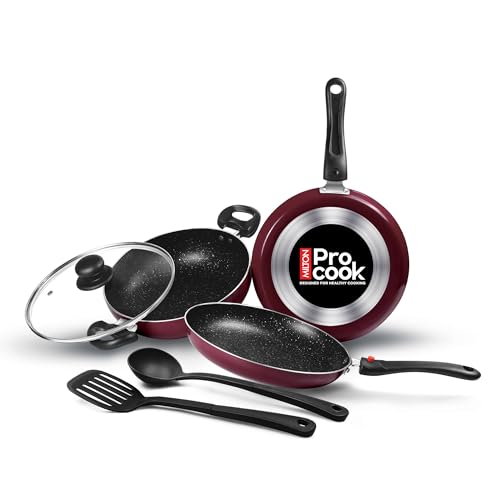
Non-stick pans have a coating, traditionally PTFE ("Teflon") or ceramic, that stops food from sticking. They're light, easy to clean and need very little oil.
Side-by-side
| Triply steel | Non-stick | |
|---|---|---|
| Lifespan | Many years, often decades | Coating wears out in 1–3 years with daily use |
| High-heat cooking (tadka, searing, roasting) | Excellent | Not recommended on very high heat |
| Oil needed | A bit more, especially for eggs and dosa | Very little |
| Metal spatulas | Fine | Avoid; they scratch the coating |
| Cleaning | Needs soaking or scrubbing for stuck food | Very easy |
| Induction | Usually yes (check the base) | Only if it has an induction base |
| Upfront cost | Higher | Lower |
Which should you buy?
Choose triply if you cook Indian food daily: sabzi, dal tadka, curries, and frying. It handles high heat, lasts for years and you never worry about a coating peeling. It costs more upfront but usually less over time.
Choose non-stick if you mostly make eggs, dosa, cheela or pancakes, want very low oil cooking, or need something light and easy to clean.
The practical answer for most homes: a triply kadai and saucepan for everyday cooking, plus one non-stick tawa or frying pan for dosa and eggs.
Tips for triply beginners
- Preheat properly. Heat the empty pan on medium for a minute or two before adding oil. This reduces sticking a lot.
- Use medium heat. The aluminium core spreads heat well, so you rarely need the highest flame.
- Soak, don't scrape. For stuck food, soak in warm water for 10 minutes before scrubbing.
- White or rainbow stains are normal and come off with a little vinegar or lemon.
Our pick on DealsKoti right now
Lifelong Triply 3-Piece Cookware Set. Includes a 22 cm kadai, a 22 cm fry pan and a 14 cm saucepan, with an induction-friendly base that also works on gas. A good starter set to cover daily cooking. We picked it based on features and Amazon customer ratings, not a hands-on test. See today's deal
Browse more kitchen deals in our Home & Kitchen section.
FAQ
Is non-stick safe?
Modern non-stick cookware is generally considered safe for normal home cooking when used as directed. Avoid overheating an empty pan, and replace pans once the coating starts peeling.
Can I use triply on induction?
Most triply sets work on induction because the outer layer is magnetic steel. Always confirm "induction compatible" in the listing.
Why does food stick to my steel pan?
Usually the pan wasn't preheated enough, or the food was moved too early. Let it sear for a moment and it will release.
Kitchen and appliance deals drop often. Join our Telegram channel to catch them.